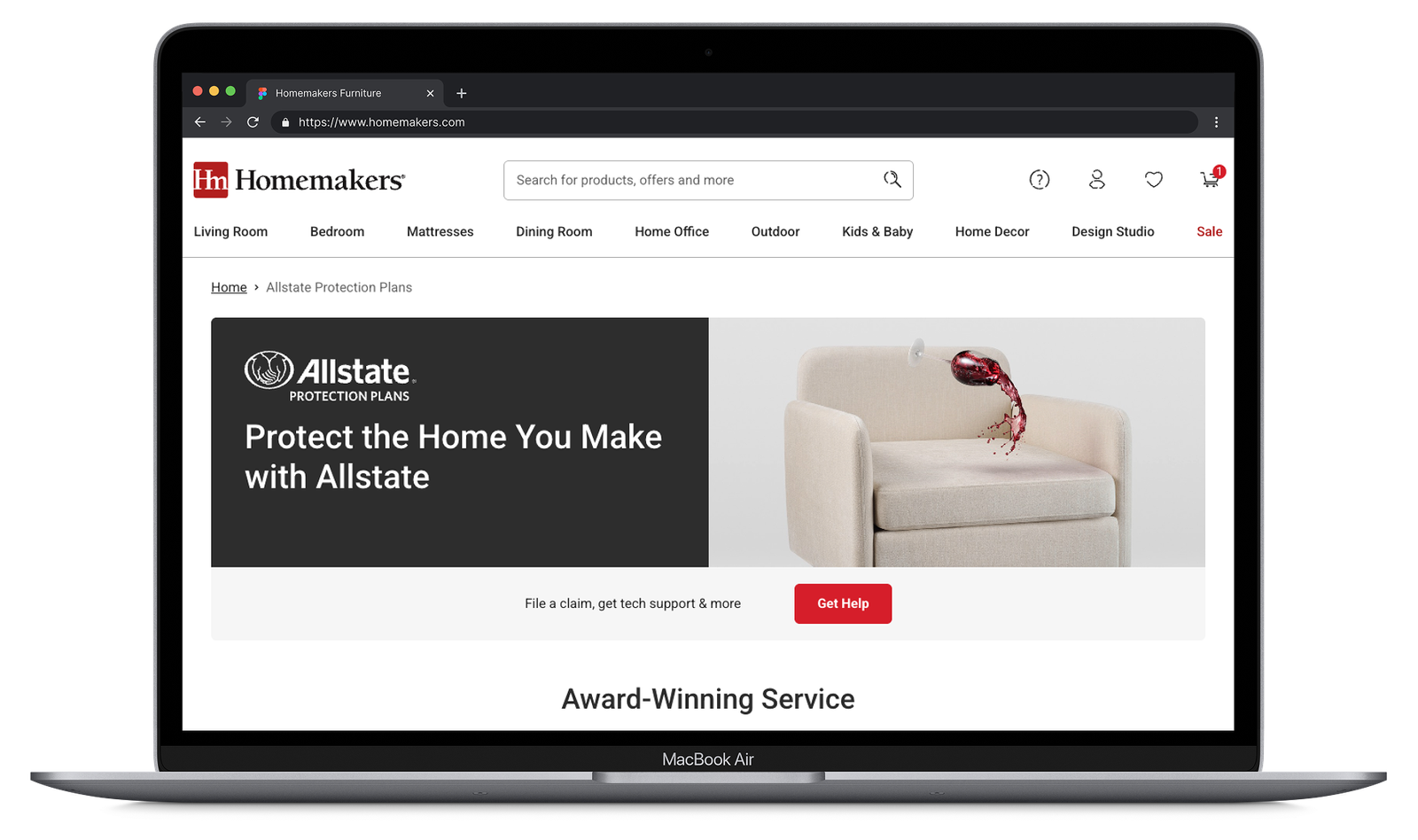
Reducing Friction in Checkout Flow
Homemakers Furniture’s checkout experience was creating friction at critical moments in the purchase journey, leading to user drop-off and operational issues with order processing. Customers faced a fragmented flow, unclear steps, and inconsistencies between systems that impacted both usability and backend reliability since launch of new OMS in 2023. With this ongoing issue and years of data to back up a much needed change, this was an opportunity to redesign the checkout experience to reduce cognitive load, improve data accuracy, and increase overall conversion through multiple improvements.
Company
Homemakers Furniture
Role
UX/UI Designer
Employment
Full-time
Timeframe
December 2025 – March 2026
Key Focus Areas
UX Design, Conversion Optimization, UX Thinking, Analytics
The Problem
Customers entering checkout experience multiple points of friction throughout the process and encounter errors prematurely. I noticed severe drop-off rates and usability issues within the first few steps.
The Result?
~64% drop-off rate by first step of checkout & potential revenue loss
Discovery & Strategy
What Research Revealed the Problem?
Method #1: Analytics Deep Dive
Checkout funnel analysis revealed a ~64% drop-off rate during first step of checkout. This was an issue between contact information, shipping address, and the delivery method selection.
Method #2: UX Audit & Heuristic Evaluation
Conducted a comprehensive audit of the existing checkout experience alongside A/B testing to identify usability and functional issues. This included evaluating step structure, form behavior, error handling, and interaction patterns across the flow.
Several key problems were revealed:
- Unclear progression between steps
- Inconsistent input behaviors
- Premature error feedback
- Increased friction and cognitive load by combining too many decisions within first step of checkout
Method #3: Customer Service & IT Feedback
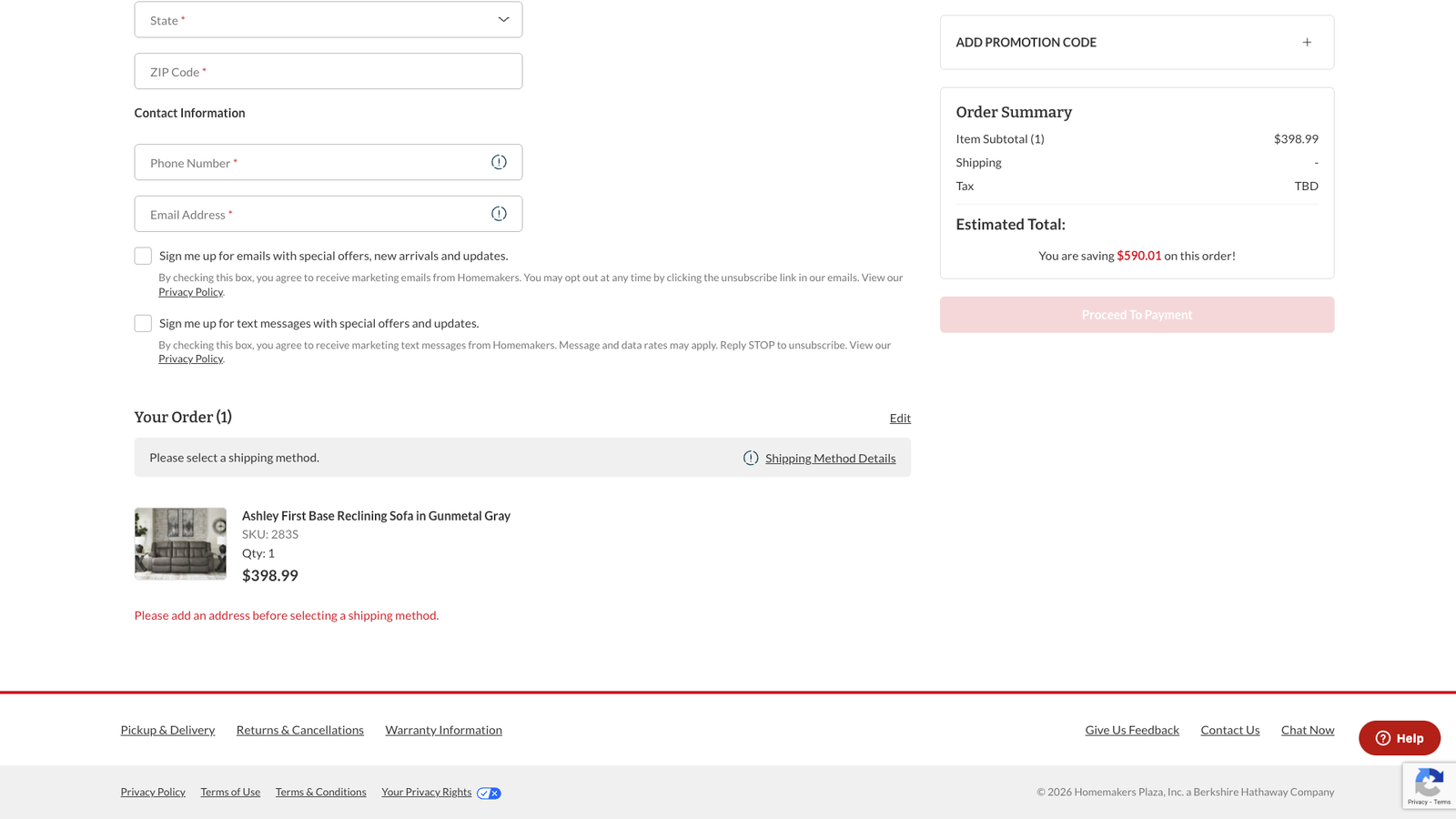
To further validate the need for improvements, recurring operational issues were tied to the current checkout and were discovered by customer service and IT departments. The most critical operational issue emerged from delivery selection which directly impacted customer experience in a negative way. The existing experience forced customers to choose a delivery method for every item in the order which allowed them to choose both In-Home Delivery and Curbside Delivery for an order. Our OMS only allowed a single selection for a delivery type as a limitation.
This caused orders to fail during export:
- Backend systems never received customer placed orders
- Affected customers who thought their orders were placed successfully
- 5-7 orders per week that our customer service team had to hear about furniture not being delivered or to catch the failed export before the customer had a poor experience
Understanding Business Opportunities & Goals
- Increase checkout completion rate
- Prevent order failures by aligning UX with system constraints
- Improve clarity and checkout flow to reduce errors and abandonment
How Did the Research Help Shape the Solution?
My Hypothesis
If we restructure the checkout flow into clear steps to reduce cognitive load while aligning delivery selection with system constraints, then customers will experience less friction and preventable errors which will result in higher checkout completion rates, and reduction in failed orders.
Define
Design Goals
Simplify Checkout
Breaking the flow into clear, sequential steps with reduced friction and decisions
Improve Clarity & Feedback
More errors prevented helps create confidence in user task completion
Enforce Delivery Constraint
Align UX with backend system contraints to for better order reliability
Ideate
Design Decisions & Refinement
Split Checkout Into Sequential Steps
First step caused too much friction and cognitive load causing a ~64% drop-off rate. We had shown premature errors in the flow which appeared to affect shopper confidence. I separated delivery method selection as a separate step in the flow instead of combining it with shipping and contact info.
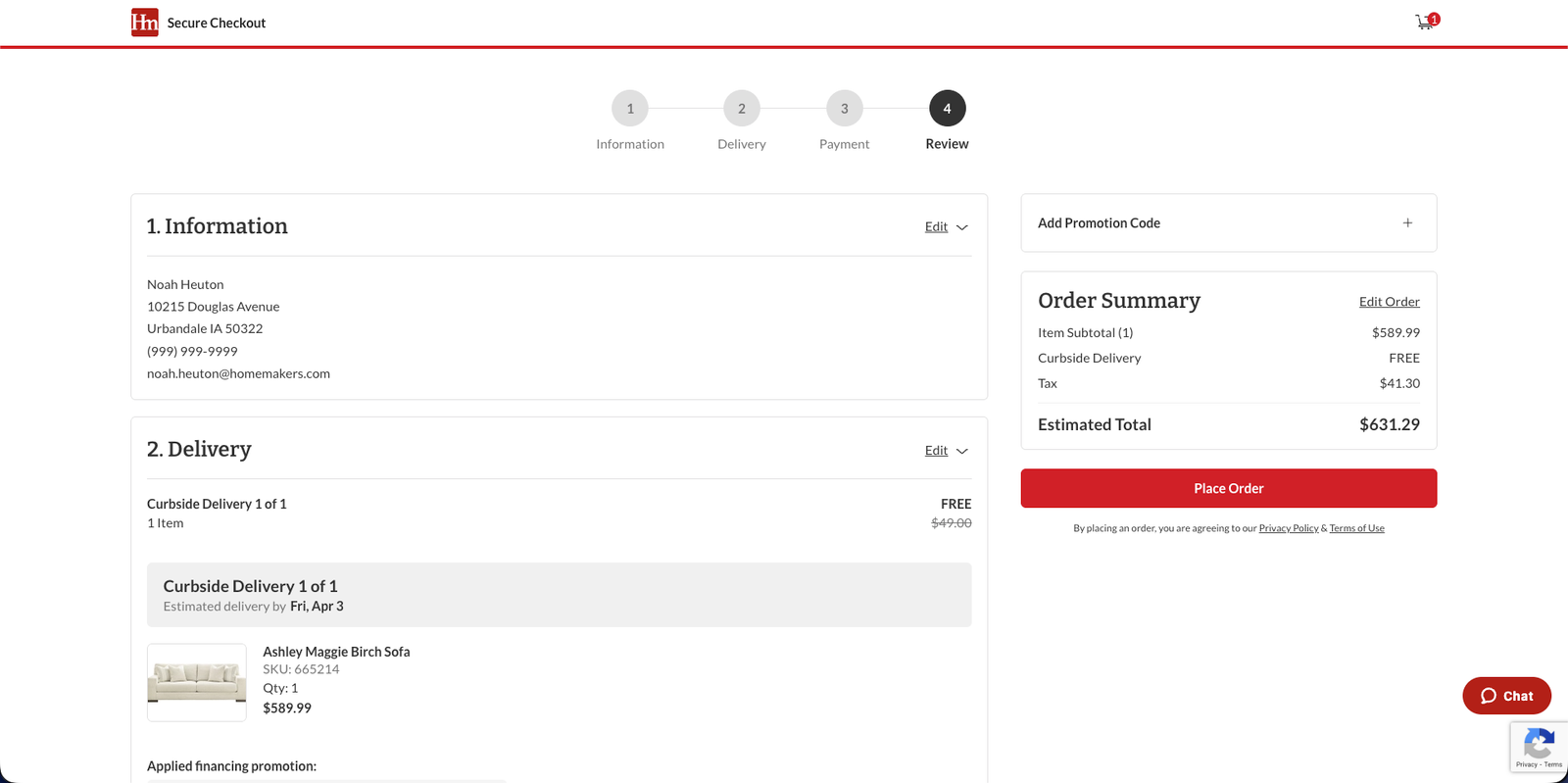
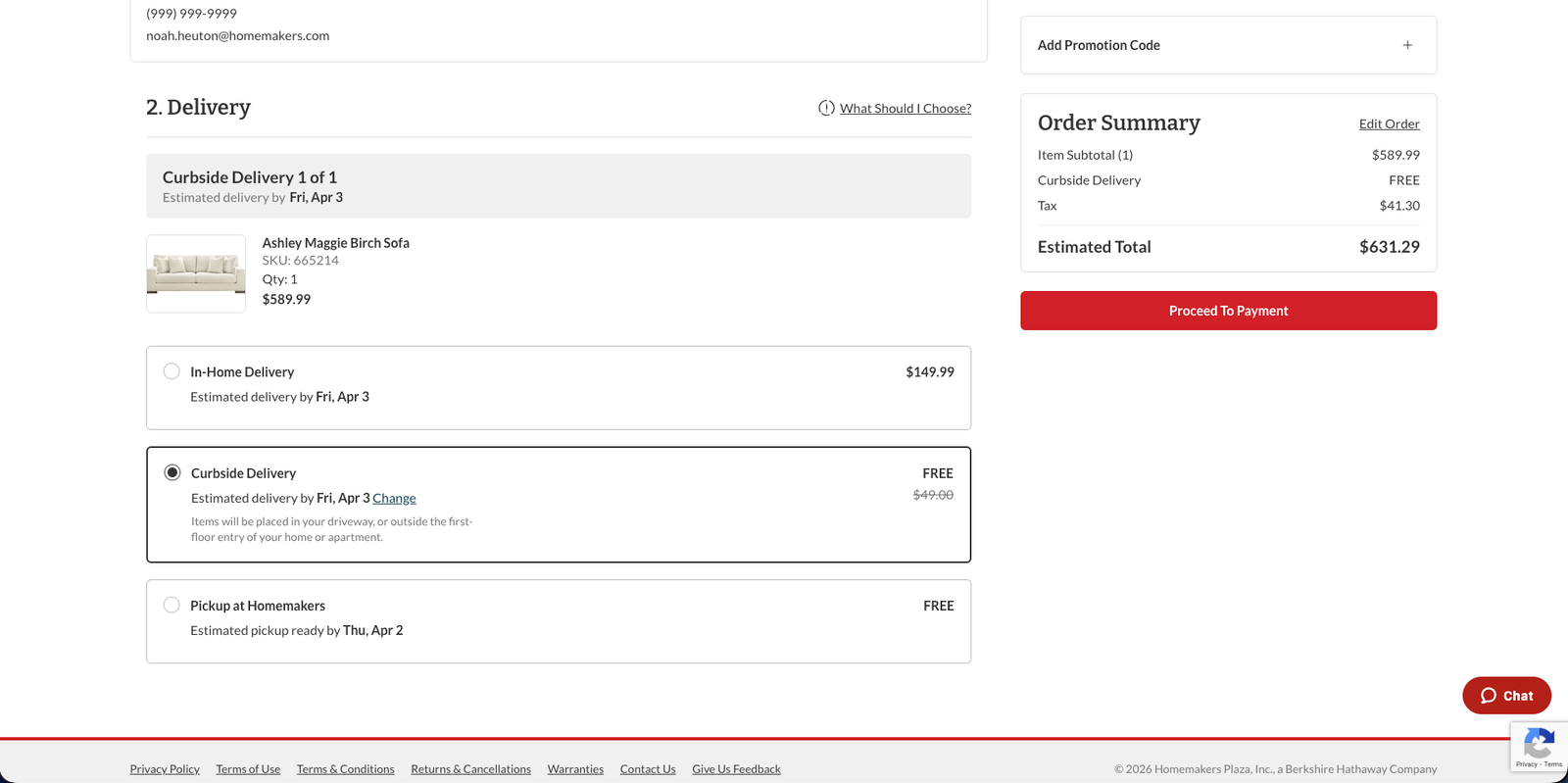
Delivery Method Simplification & Preselection
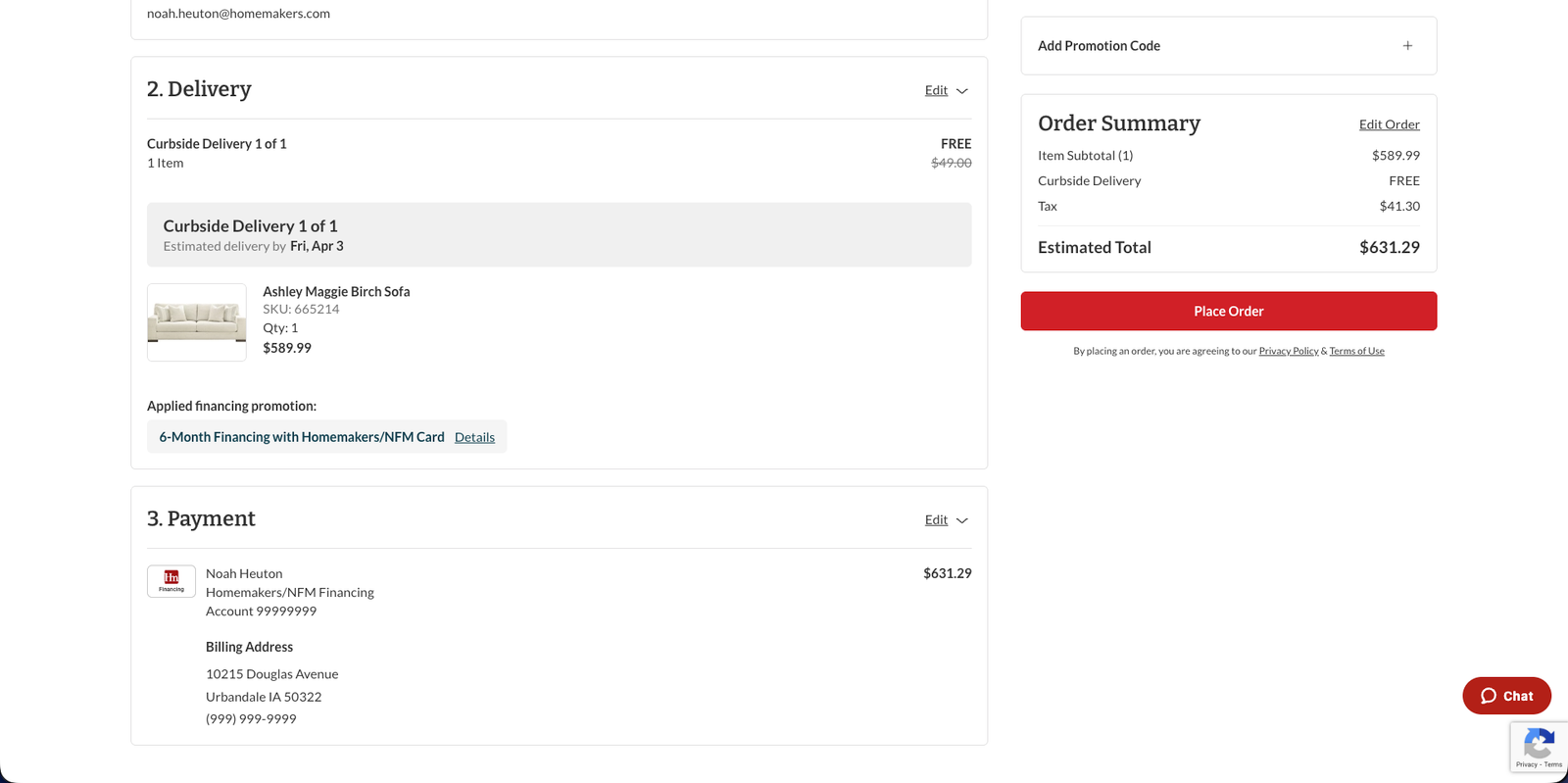
One major improvement to the checkout flow was significantly reducing the number selections required to proceed to the next step of checkout. Before, users had to select a delivery method for each and every item. With the improvement, we had grouped everything in the cart by delivery date to support future dropshipping integration initiative and preselected the best delivery method for the order.
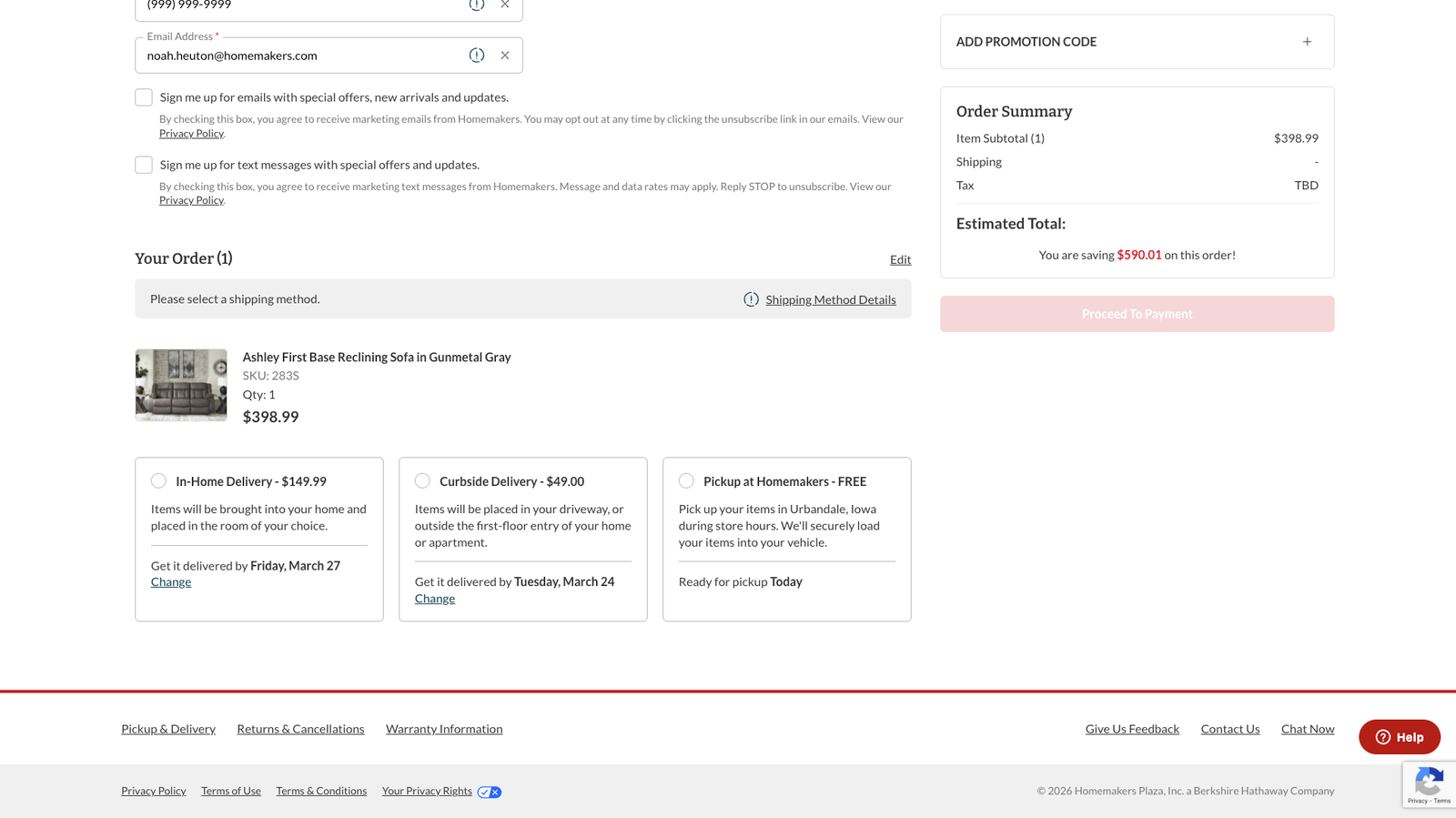
Improve Form Clarity & Error Feedback
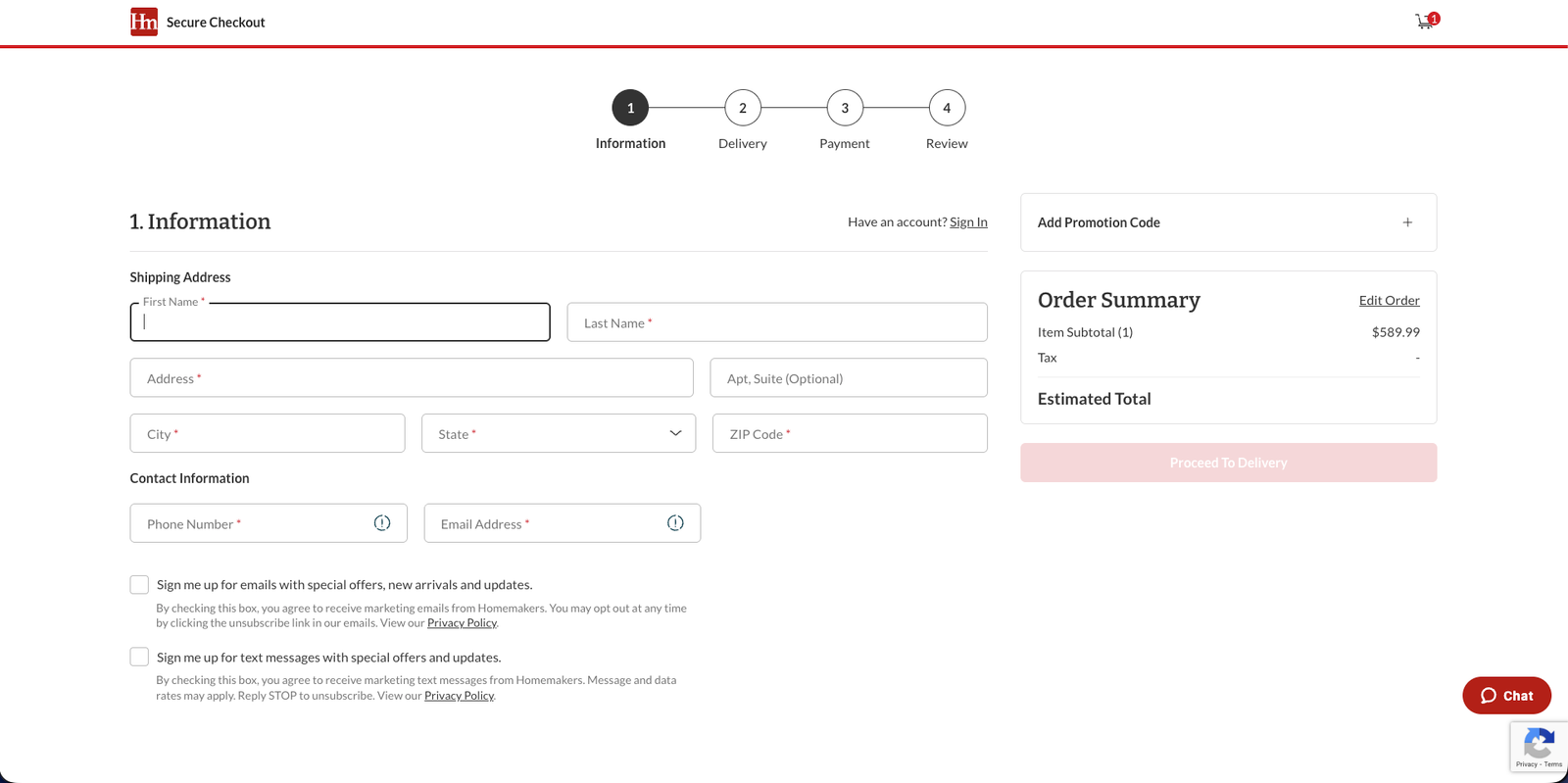
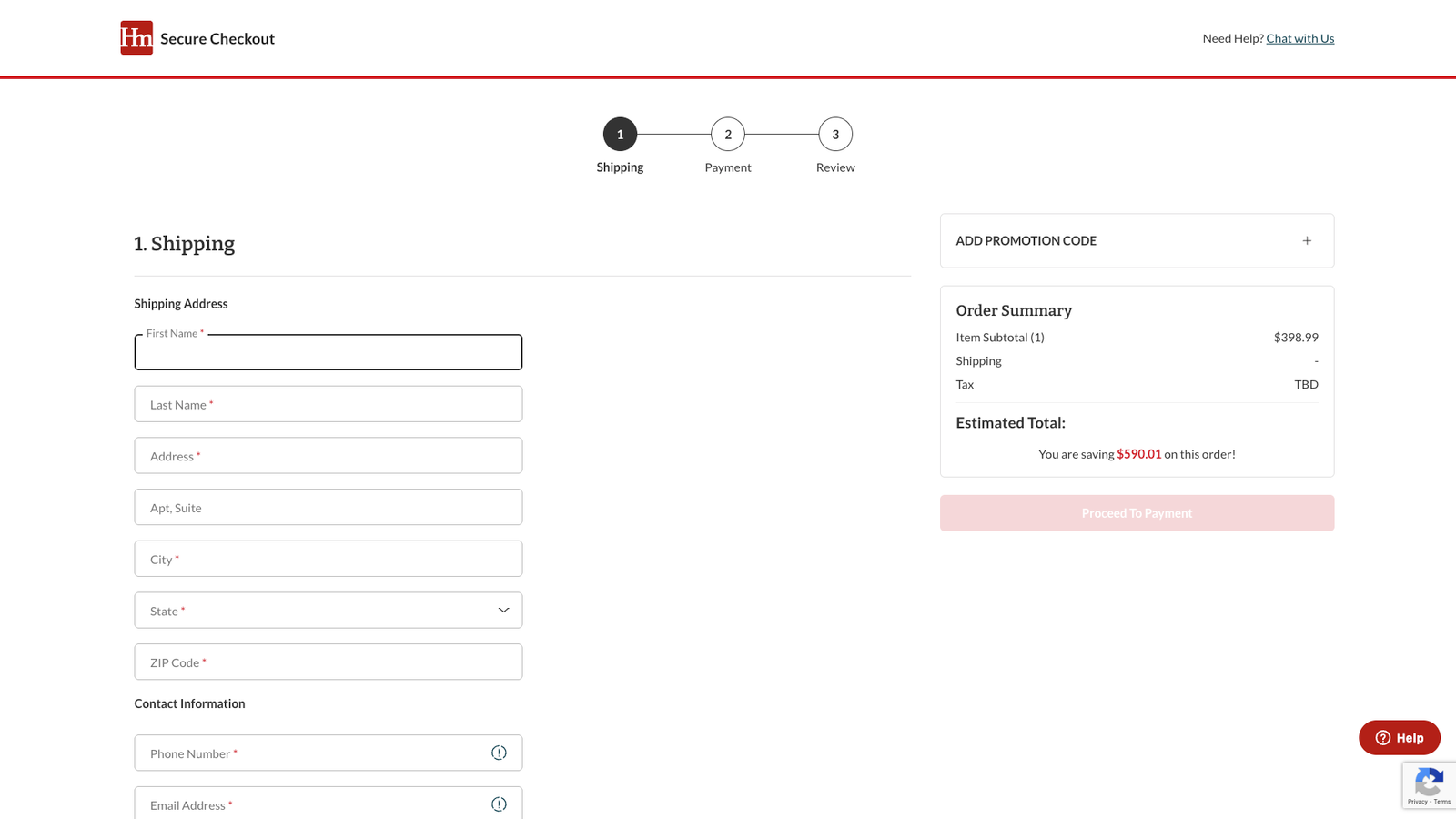
Users consistently saw premature errors throughout the shipping address form when filling it out. Also, the form was formatted in a way that greatly increased cognitive load. We fixed premature errors and A/B tested single column form for the shipping address and contact information which decreased drop-off rate.
Final Design & Implementation
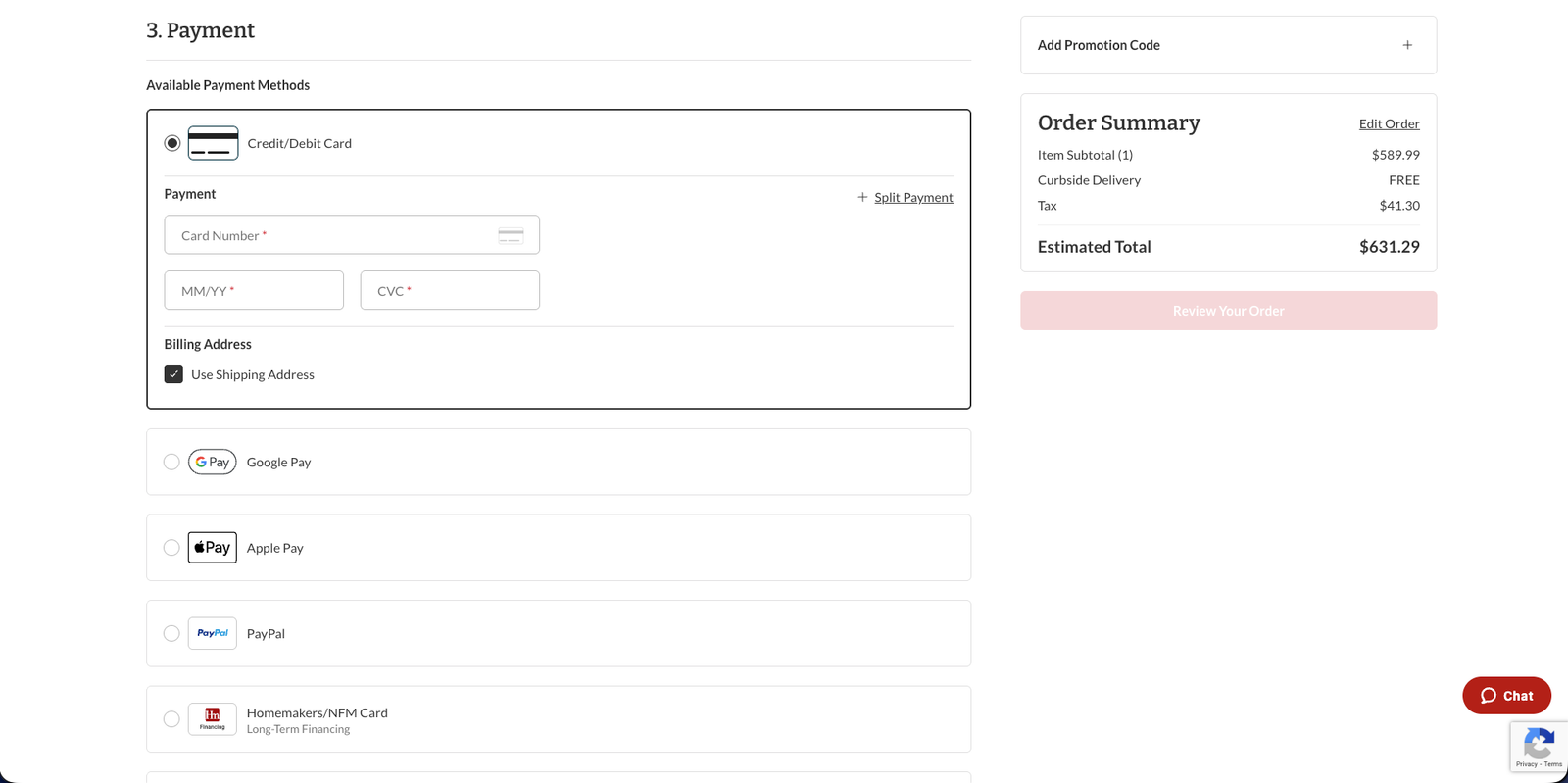
Design in Action
Results & Impact
Overall Impact
This checkout redesign successfully address both user friction and system constraints causing poor customer experiences. All fixes and other improvements directly resulted in a more seamless and reliable purchase experience that is seeing reduced friction and operational errors.
Key Results
0% Failure Rate
after changing how many delivery types can be selected for a single order
8+ Operational Hours
per week customer service saved rather than spent recreating failed orders